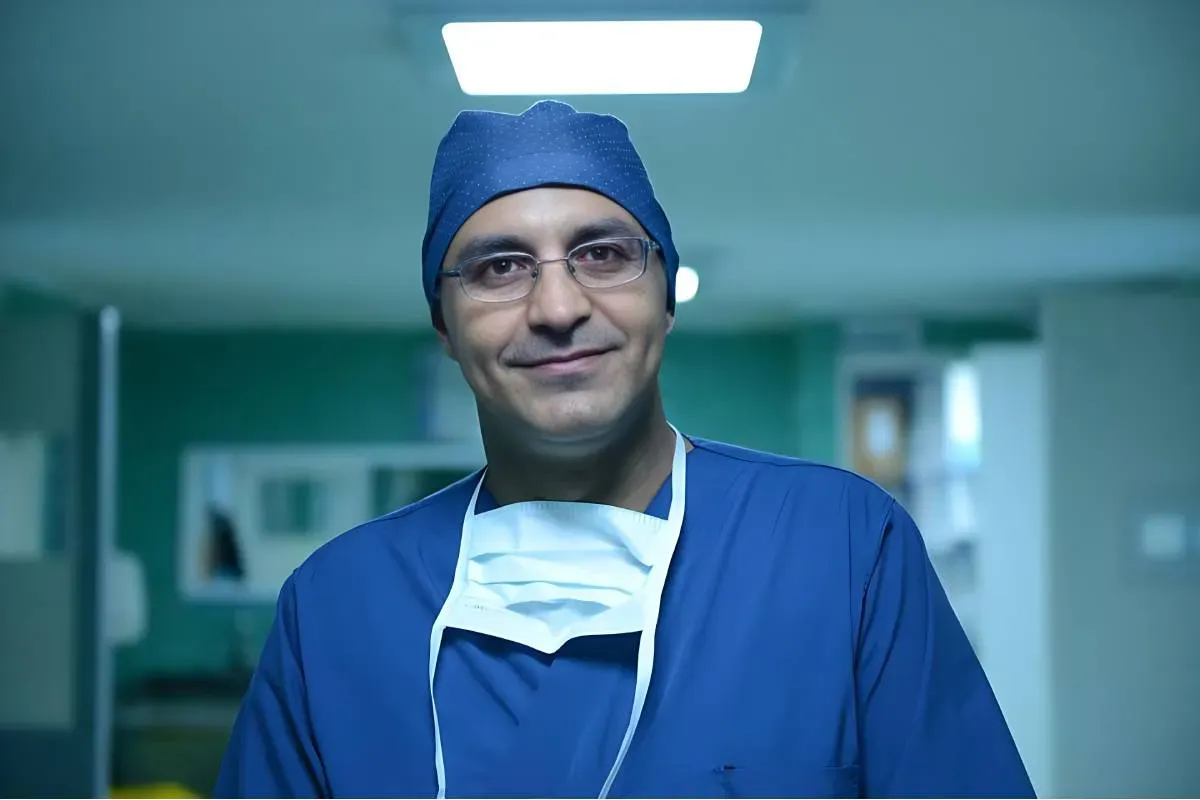
Dr. Ehsan Moradi
Pediatric Neurosurgery with Advanced Technology
Specialized Pediatric Neurosurgery Services
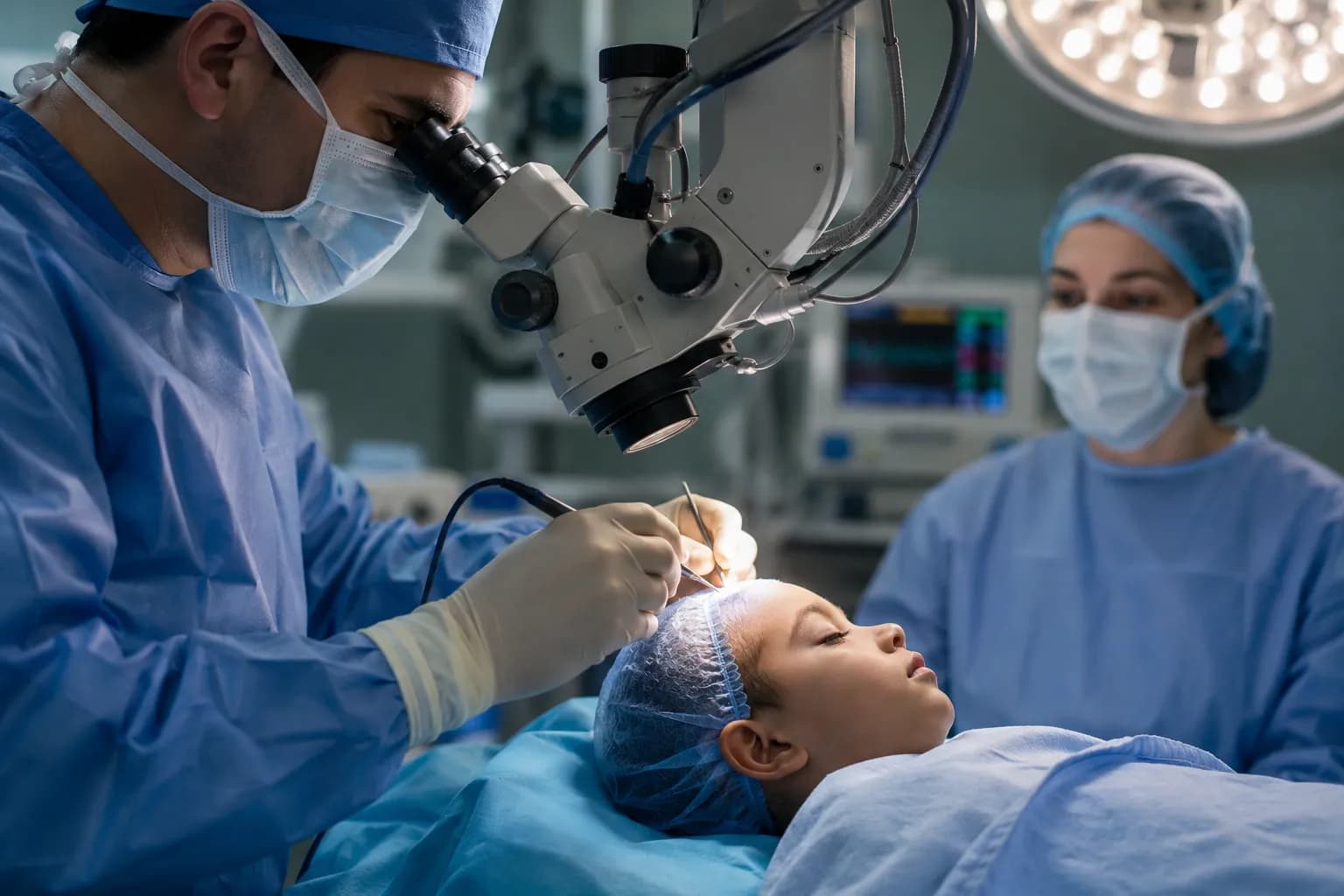
The diagnosis and treatment of brain, skull, and spinal disorders in children require specialized expertise, careful evaluation, and the selection of the most appropriate treatment approach. These services are provided using advanced surgical, microscopic, and endoscopic techniques, tailored to the unique condition of each child.
Pediatric Brain Tumors
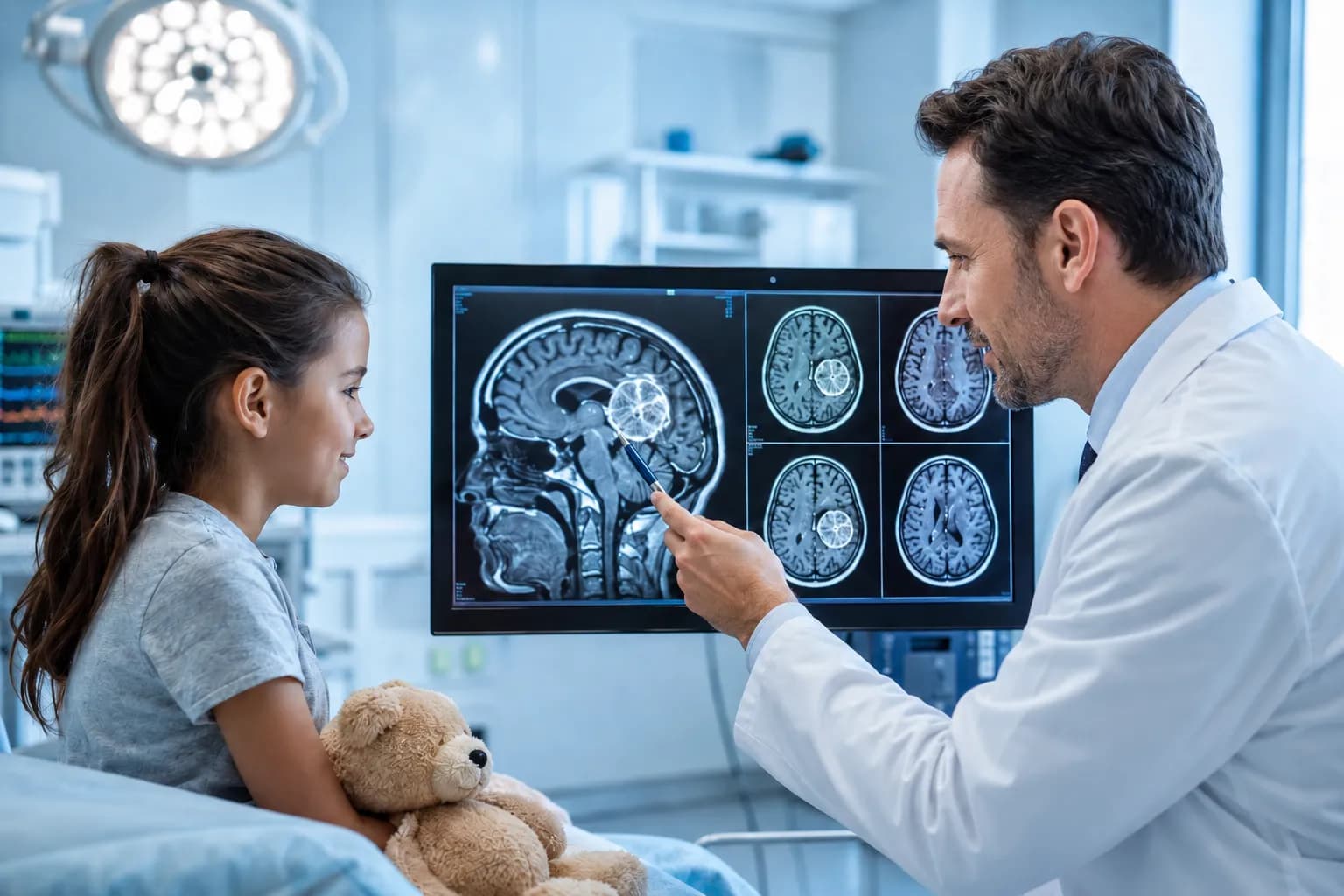
The diagnosis and surgical treatment of various pediatric brain tumors are carried out through careful review of MRI scans and other specialized assessments. When surgery is required, microsurgical and endoscopic techniques are used to remove the tumor precisely, with the aim of achieving maximum tumor resection while preserving healthy brain tissue and the child’s neurological functions.
Hydrocephalus (Fluid Accumulation in the Brain)
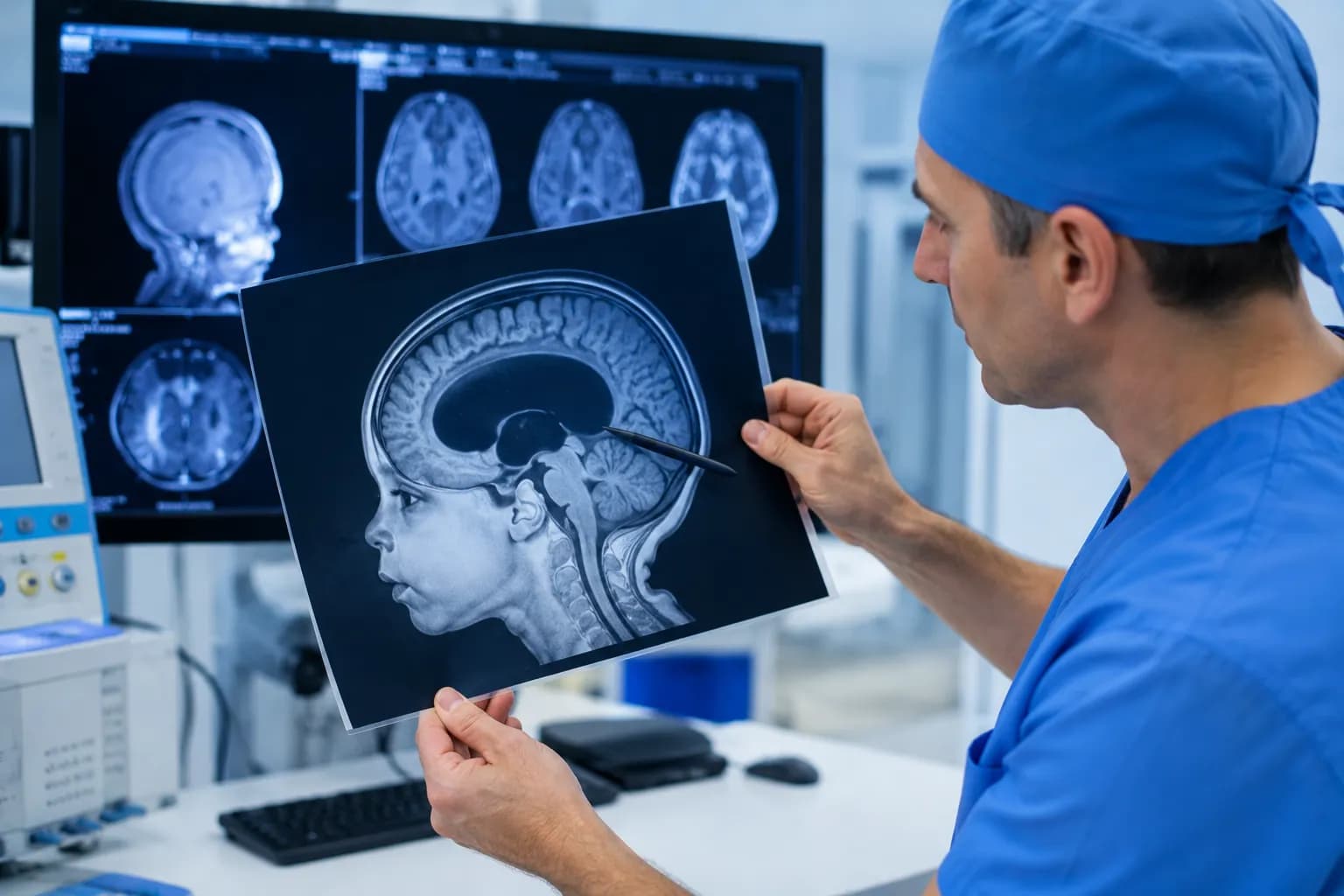
Hydrocephalus occurs due to the abnormal accumulation of cerebrospinal fluid and increased pressure inside the skull, which may affect the growth and function of the child’s brain. Treatment is selected based on the child’s age, the underlying cause, and their clinical condition, and may involve shunt placement or the advanced endoscopic third ventriculostomy procedure.
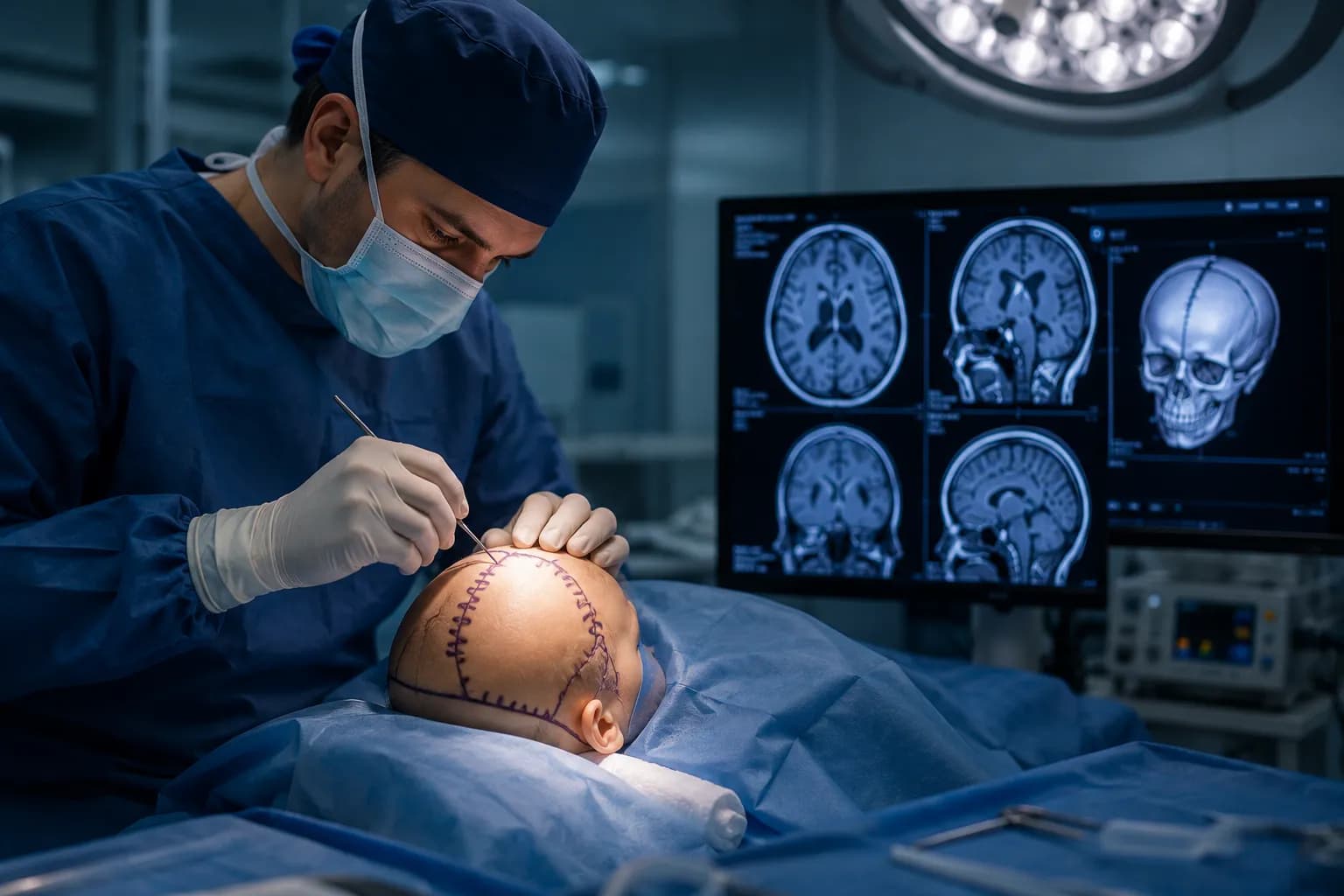
Craniosynostosis
Craniosynostosis is the premature closure of one or more skull sutures, which may lead to changes in head shape and restrict the normal growth of the brain. After a careful assessment of the skull shape and medical imaging, treatment is planned using either open or endoscopic surgical techniques, depending on the child’s age and condition.
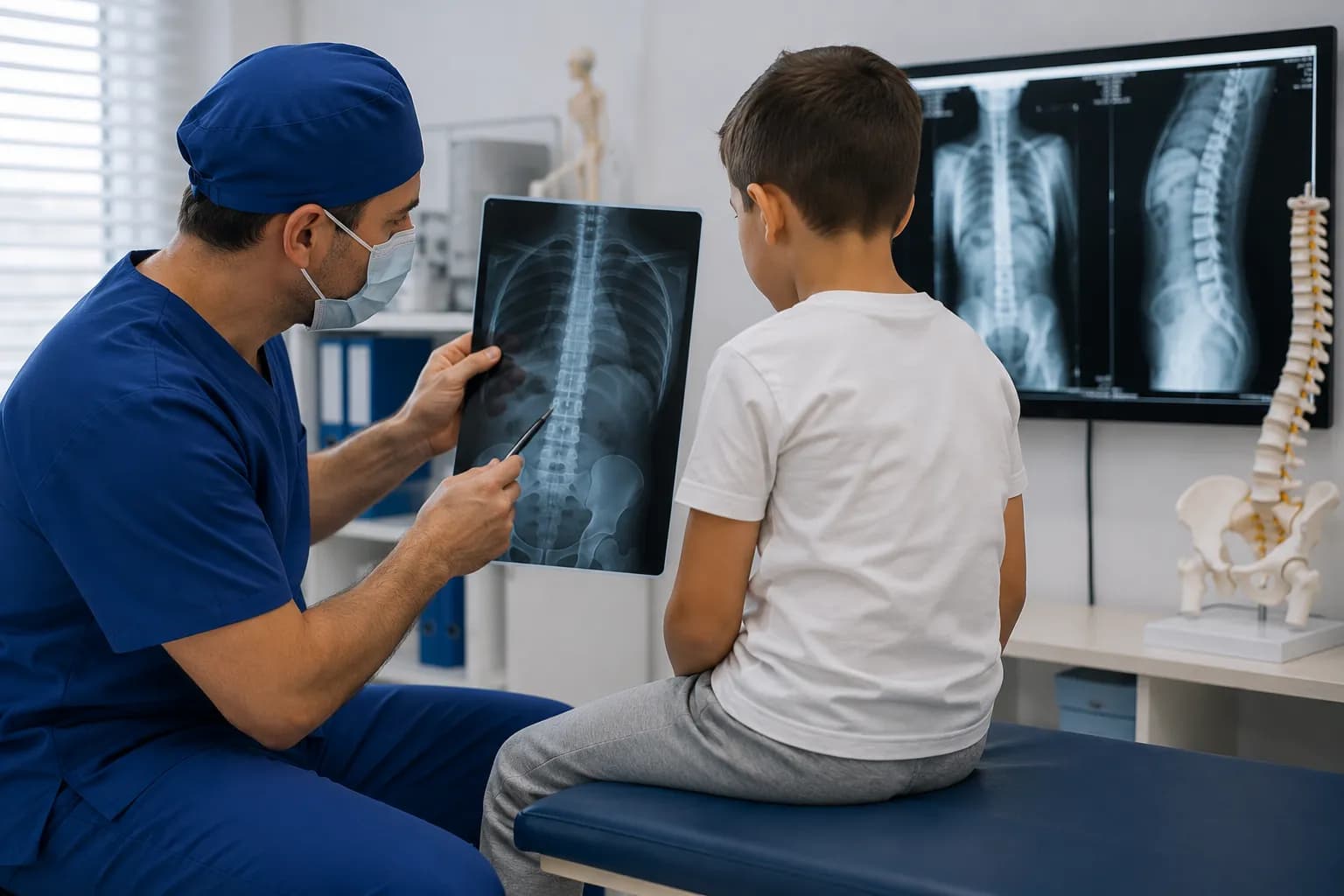
Pediatric Spinal Disorders
This field includes the diagnosis and treatment of congenital and acquired spinal disorders in children, including myelomeningocele, lipomyelomeningocele, tethered spinal cord, and certain spinal deformities. The goal of treatment is to prevent further spinal cord damage, preserve the child’s mobility, and improve their quality of life.
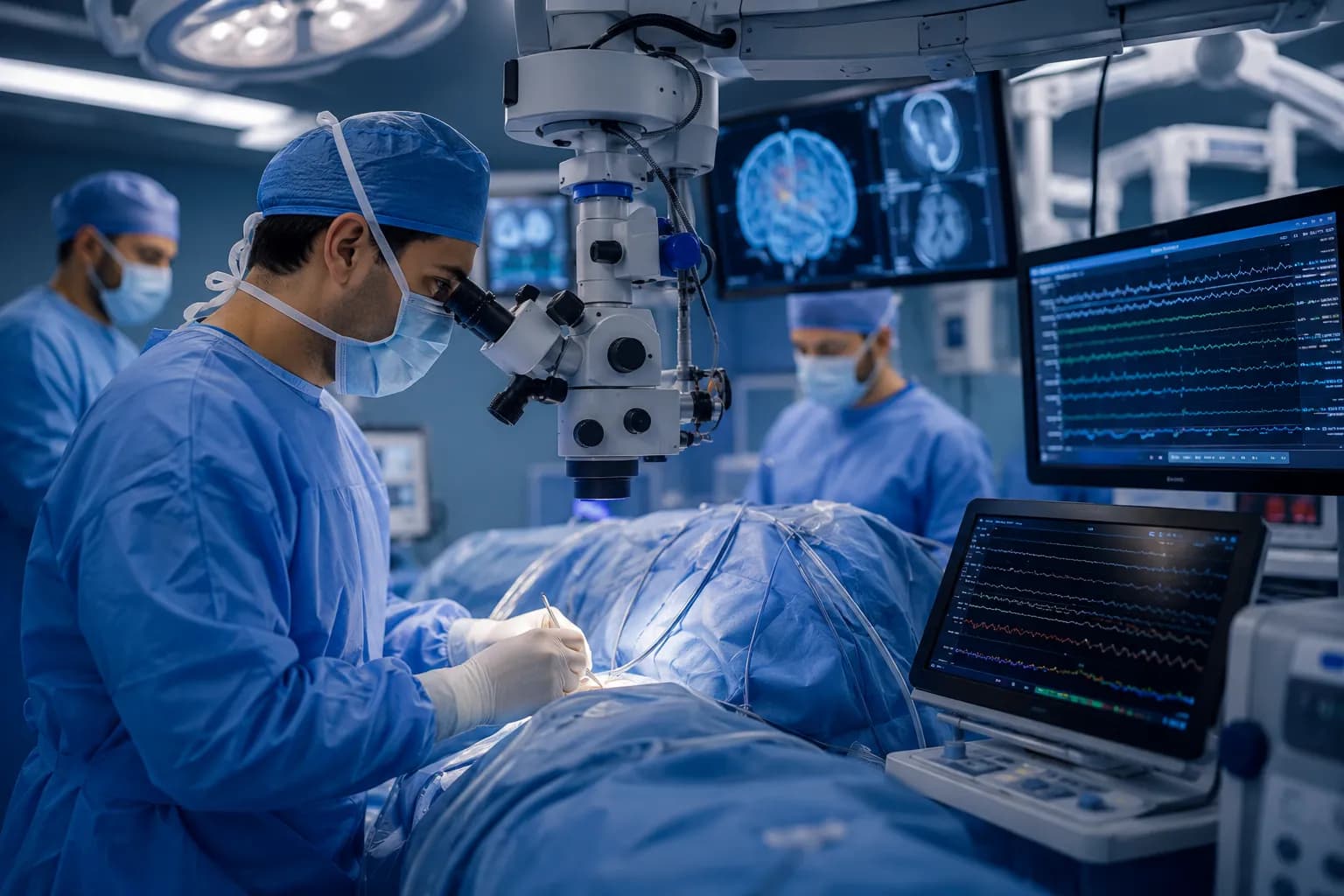
Epilepsy Surgery
Children whose seizures or epilepsy cannot be controlled with medication undergo detailed specialist evaluations to identify the source of the seizures. When appropriate, targeted surgery is performed to reduce the frequency of seizures, achieve better disease control, and support the child’s cognitive and physical development.
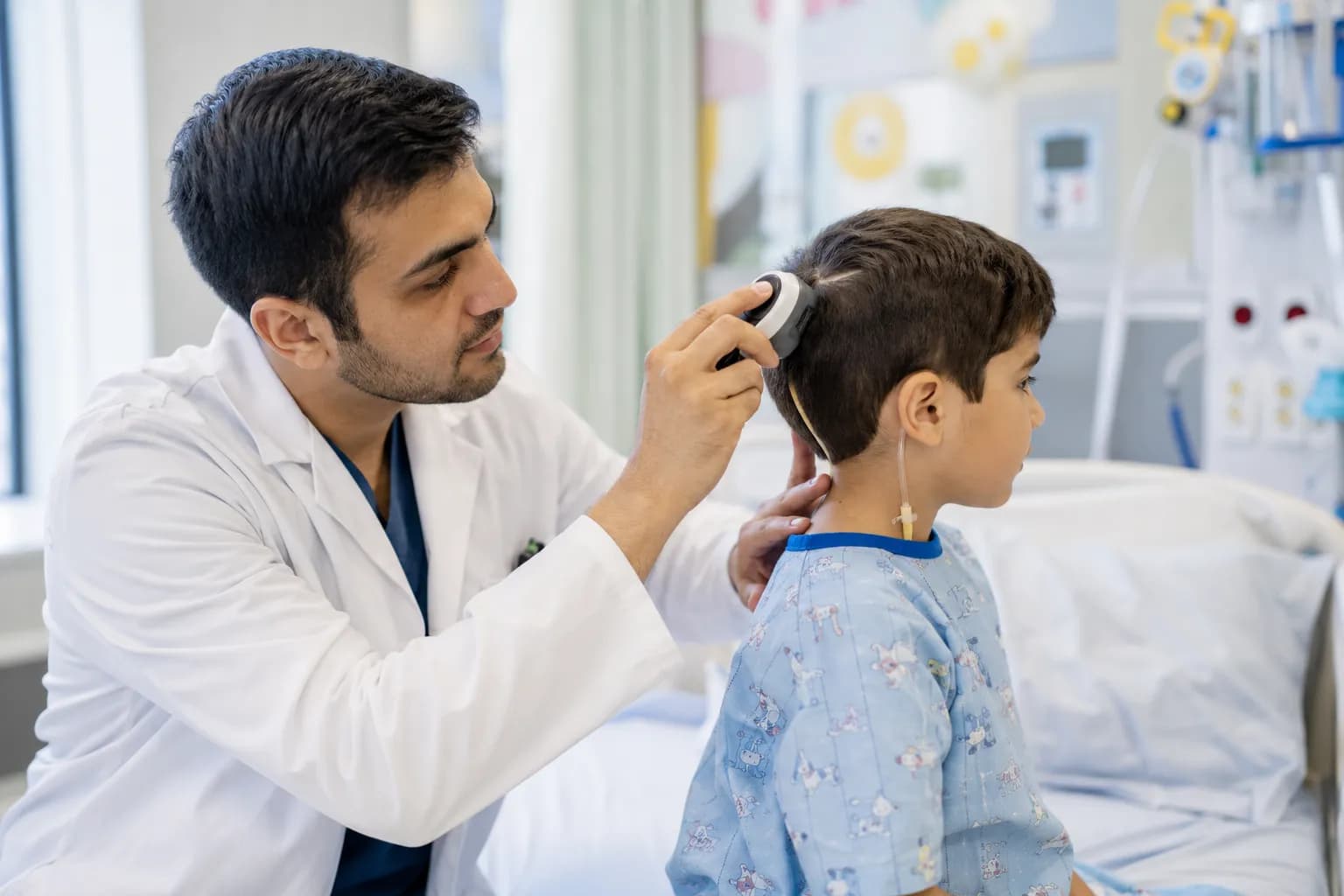
Management of Cerebral Shunts
Children with a cerebral shunt for the treatment of hydrocephalus may experience complications over time, such as shunt blockage, infection, or malfunction. The shunt’s function is evaluated and, when necessary, it may be adjusted, replaced, or revised to control intracranial pressure and prevent complications.