
 Jul 26, 2026
This article discusses the management and treatment of brain shunts, focusing on when replacement or adjustment is needed. Brain shunts are used to treat hydrocephalus (fluid buildup in the brain), and over time, they may require adjustments or replacements. The article addresses the signs and conditions that indicate when shunts need to be changed and outlines various treatment methods.
 Jul 26, 2026
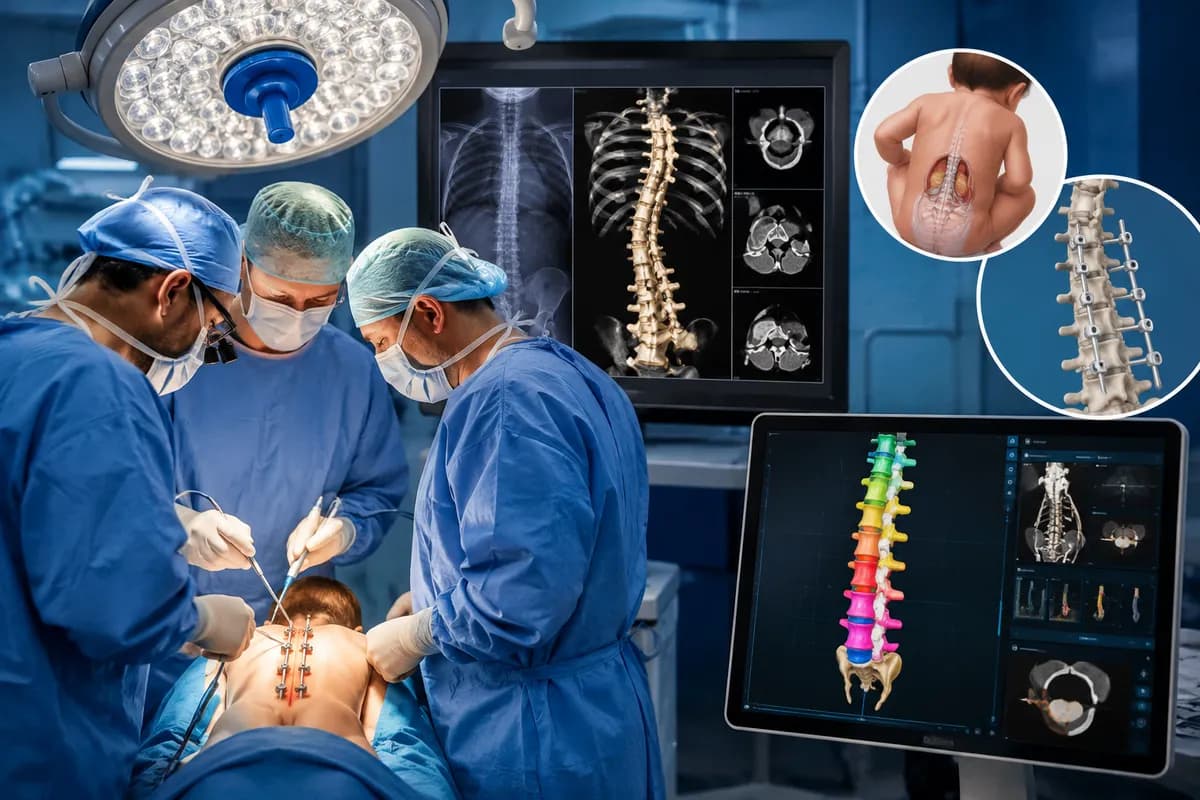
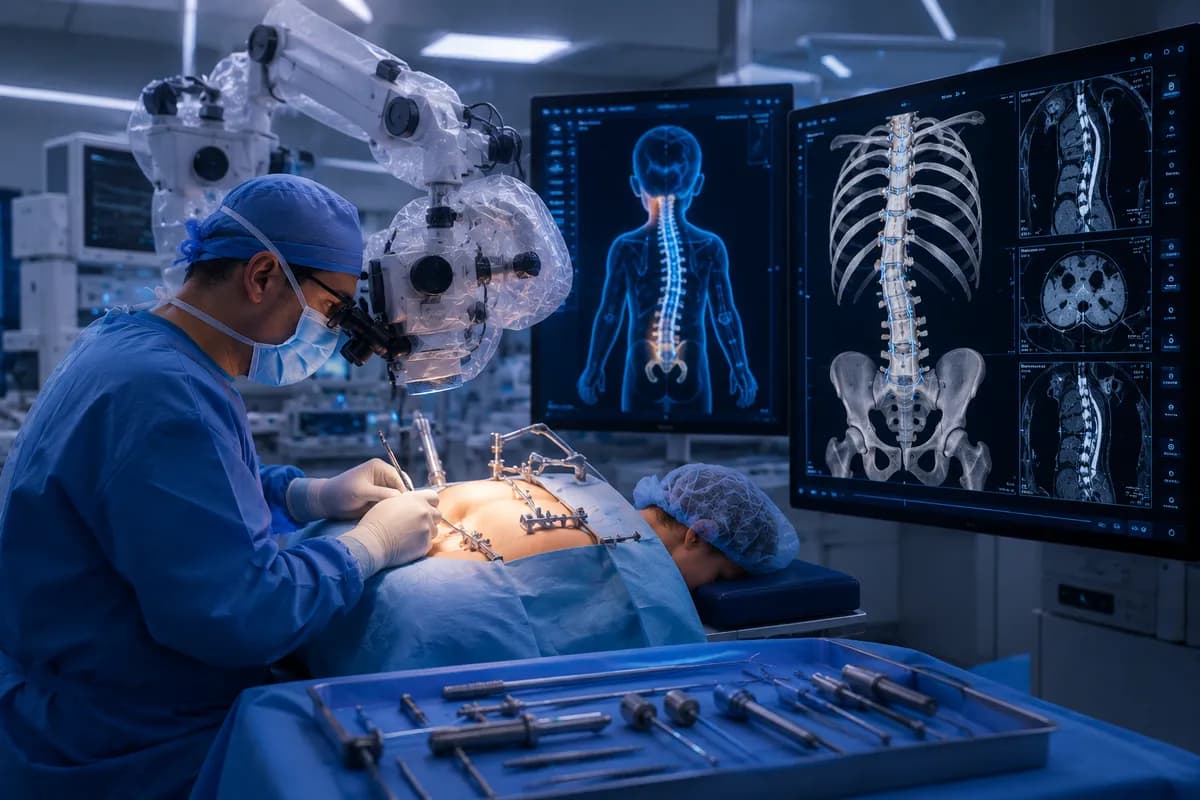
This article explores the latest advancements in pediatric spine surgery, particularly in the treatment of myelomeningocele and scoliosis. Myelomeningocele is a congenital defect affecting the spinal structure, while scoliosis is an abnormal curvature of the spine. The use of modern surgical techniques, including microsurgery and minimally invasive methods, has helped reduce complications and accelerate recovery.
 Jul 26, 2026
Pediatric spinal surgery, especially in cases of congenital anomalies, requires specialized knowledge, extensive experience, and the use of advanced technology. Timely and precise treatment can prevent severe disabilities and significantly improve a child’s quality of life.
 Jul 26, 2026
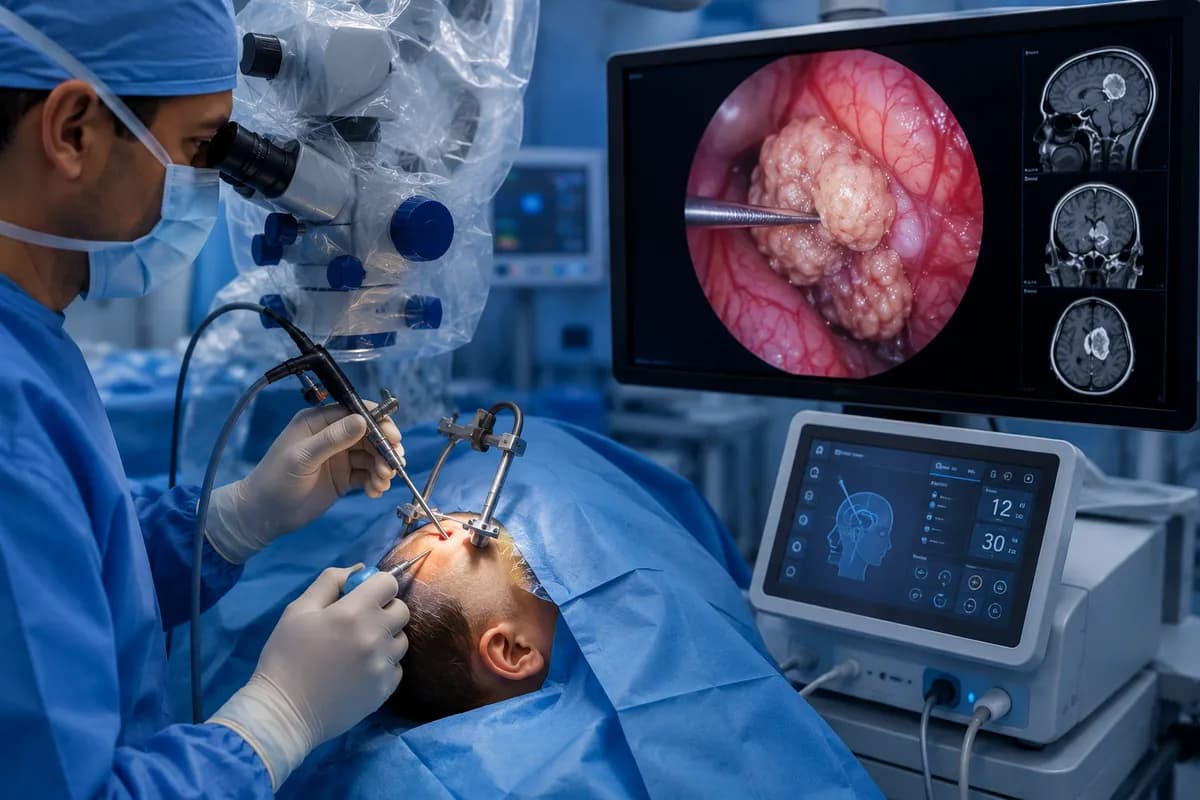
This article explores endoscopic techniques in pediatric brain tumor surgery. Endoscopic surgery is a minimally invasive method that allows surgeons to remove tumors from the brain with minimal incision. This approach offers several benefits, including reduced recovery time, fewer complications, and less pain for the patient. The article discusses how these surgeries are performed and their advantages for children.
 Jul 28, 2026
Transcranial Direct Current Stimulation (tDCS) is an innovative method used to improve brain function in children. By applying weak electrical currents, this method regulates brain activity and can help enhance cognitive skills, improve attention, and reduce learning disorders. tDCS can be effective in treating issues such as learning disabilities, attention deficit, and memory problems.
 Jul 26, 2026
This article explores advanced endoscopic techniques in brain surgery for treating hydrocephalus in children, including third ventriculostomy (ETV) as an effective alternative to shunt placement, highlighting its benefits in reducing complications and improving patients’ quality of life.

This article explores modern methods for craniosynostosis surgery in children. Craniosynostosis refers to a condition where the sutures of an infant's skull close prematurely, which can lead to issues in brain growth and abnormal skull formation. The article reviews advanced techniques such as endoscopic surgery and open surgery, which help in faster recovery and reduce pain and complications.
 Jul 28, 2026
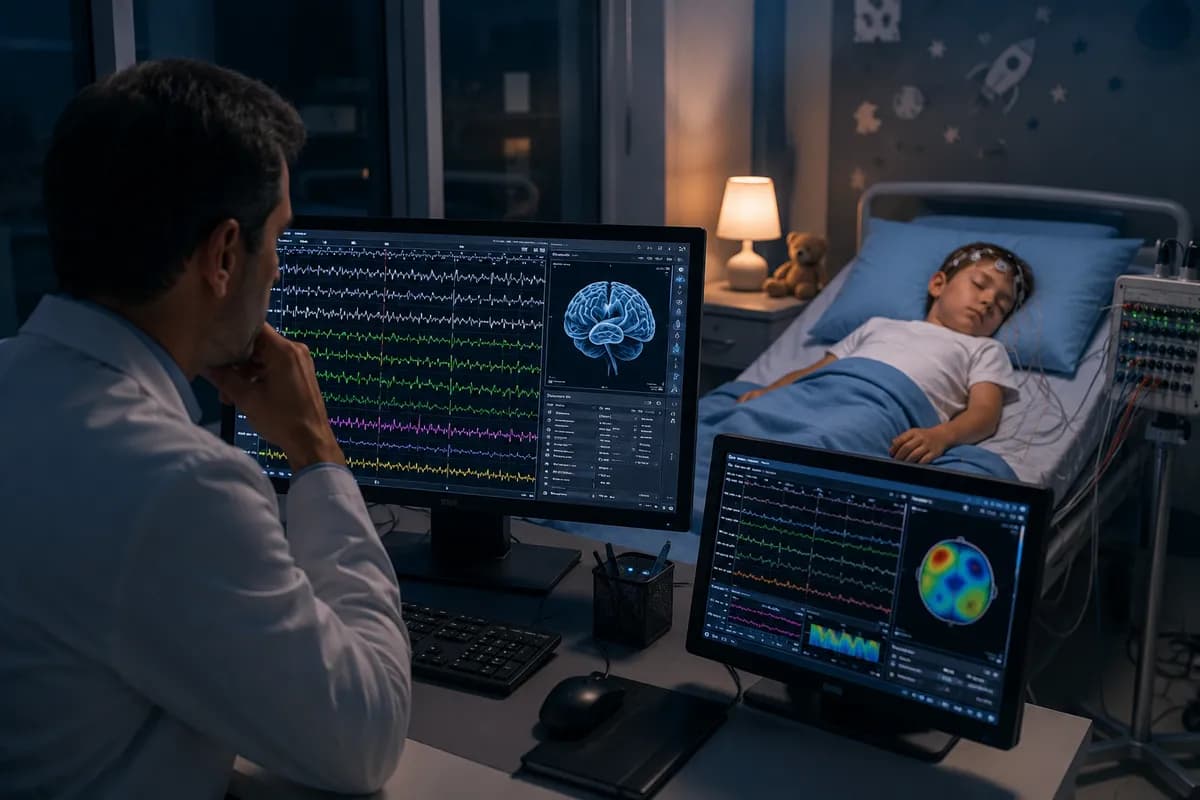
Drug-resistant epilepsy in children is one of the most challenging neurological disorders in early childhood, as it does not respond to standard medications. Accurate diagnosis, advanced therapies, and sometimes surgical intervention are essential for managing these seizures. The expertise of a skilled specialist is crucial in this field.
