
 Jul 26, 2026
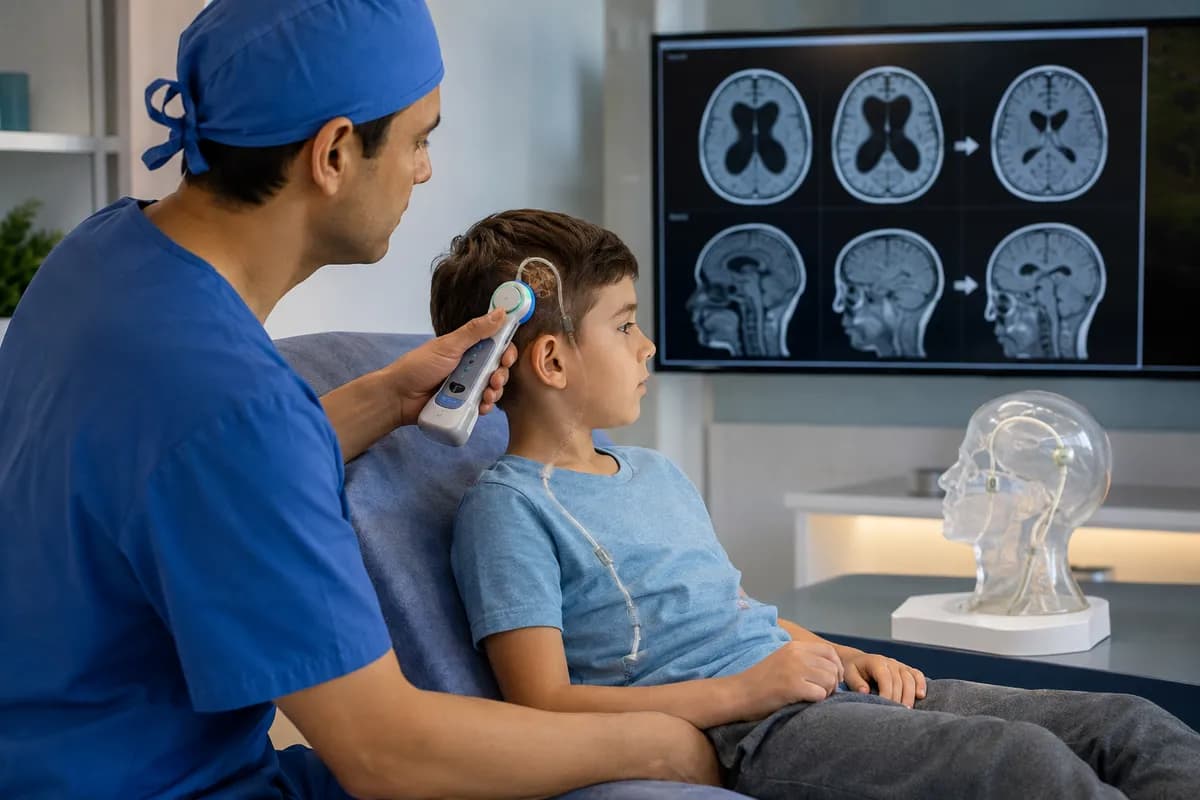
Management and Treatment of Brain Shunts: When is Replacement or Adjustment Needed
This article discusses the management and treatment of brain shunts, focusing on when replacement or adjustment is needed. Brain shunts are used to treat hydrocephalus (fluid buildup in the brain), and over time, they may require adjustments or replacements. The article addresses the signs and conditions that indicate when shunts need to be changed and outlines various treatment methods.
 Jul 26, 2026
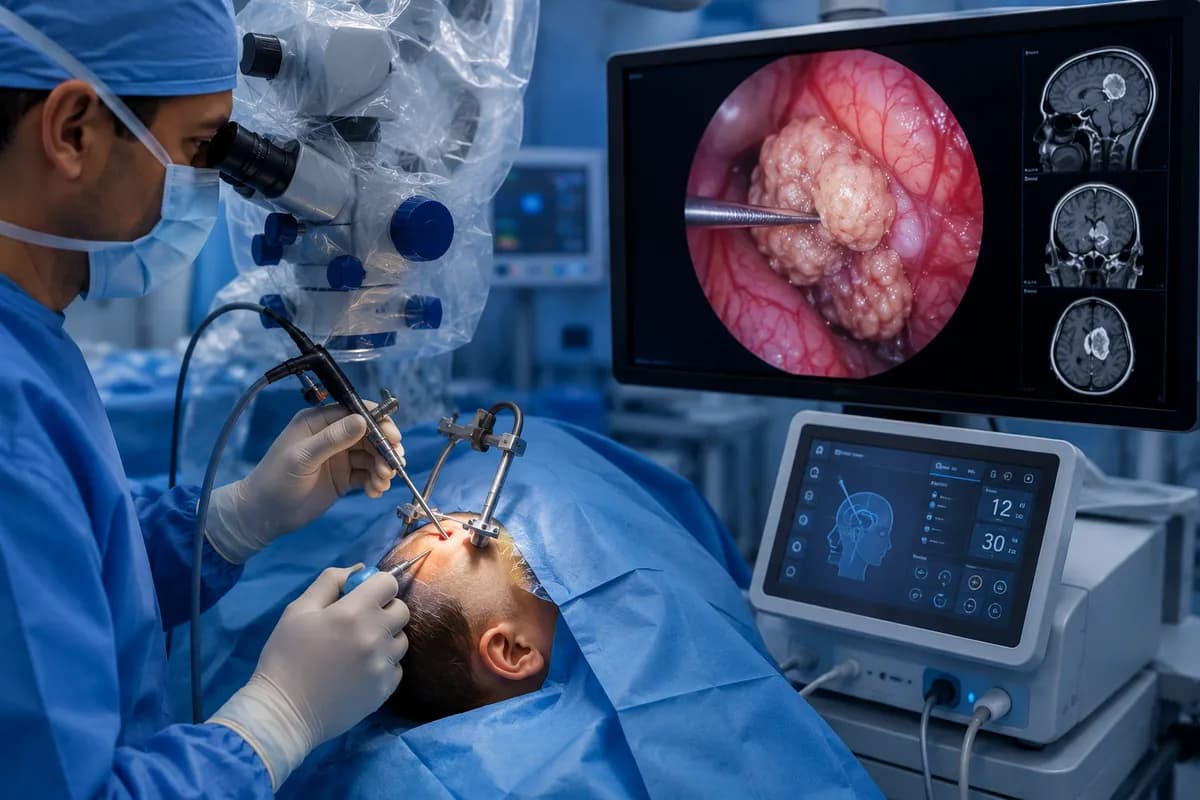
Endoscopic Techniques for Pediatric Brain Tumor Surgery
This article explores endoscopic techniques in pediatric brain tumor surgery. Endoscopic surgery is a minimally invasive method that allows surgeons to remove tumors from the brain with minimal incision. This approach offers several benefits, including reduced recovery time, fewer complications, and less pain for the patient. The article discusses how these surgeries are performed and their advantages for children.

Modern Methods for Craniosynostosis Surgery in Children: Faster and Less Painful Recovery
This article explores modern methods for craniosynostosis surgery in children. Craniosynostosis refers to a condition where the sutures of an infant's skull close prematurely, which can lead to issues in brain growth and abnormal skull formation. The article reviews advanced techniques such as endoscopic surgery and open surgery, which help in faster recovery and reduce pain and complications.
 Jul 26, 2026
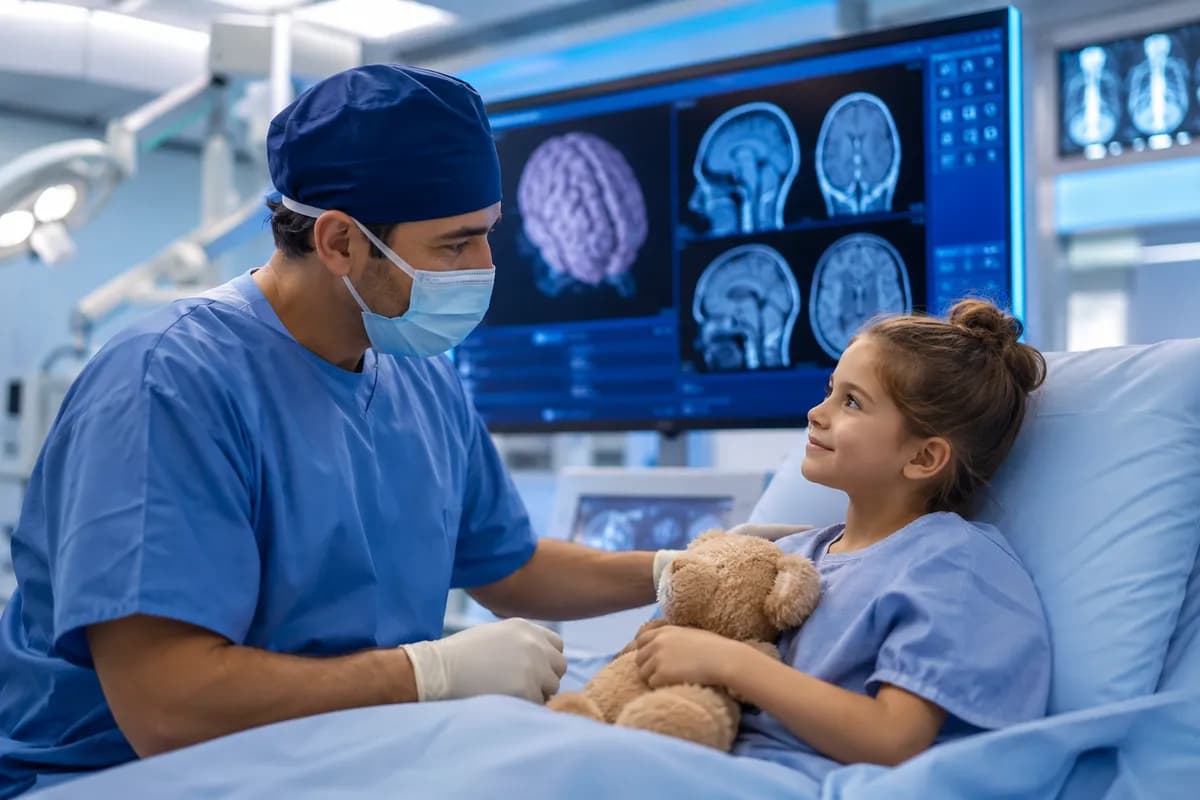
Solving Hydrocephalus in Children with Modern Surgical Methods
This article explores modern surgical methods for treating hydrocephalus in children. Using advanced techniques such as third ventriculostomy, surgeons can effectively treat issues related to fluid accumulation in the brain. These methods not only improve the quality of life for children but also reduce the risks associated with older surgical approaches.
 Jul 26, 2026
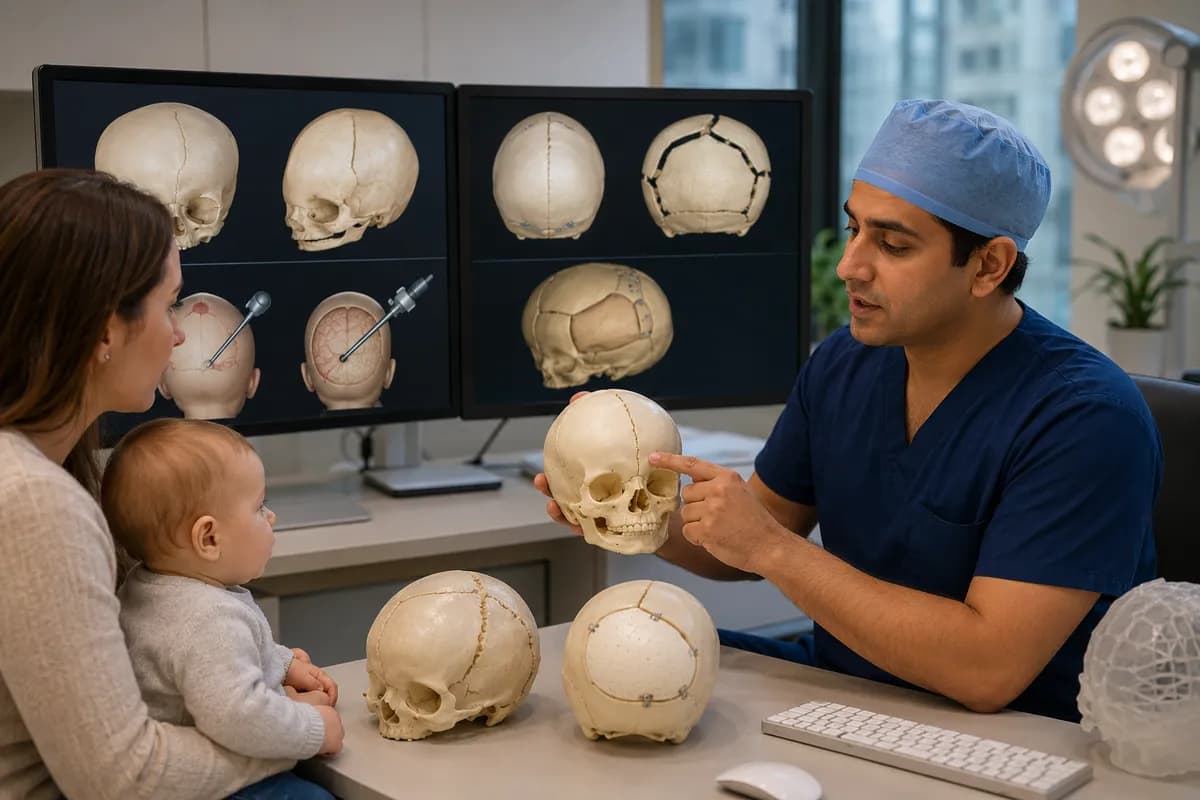
How Craniosynostosis in Children is Corrected: Endoscopic and Open Techniques
This article explores methods for correcting craniosynostosis in children, focusing on modern techniques such as endoscopic and open surgery. This condition, caused by the early closure of cranial sutures in infants, can lead to serious issues in brain development. The use of advanced surgical techniques helps treat this problem effectively and with minimal complications.

Artificial Intelligence in Pediatric Neurosurgery: Innovations and Challenges
This article explores the role of artificial intelligence in pediatric neurosurgery. AI can assist surgeons in more accurate diagnosis, surgical planning, and predicting outcomes. Despite its many advantages, there are challenges such as data security and the need for specialized training to use it effectively. The article addresses recent innovations and the challenges facing this technology in pediatric neurosurgical procedures.
 Jul 26, 2026
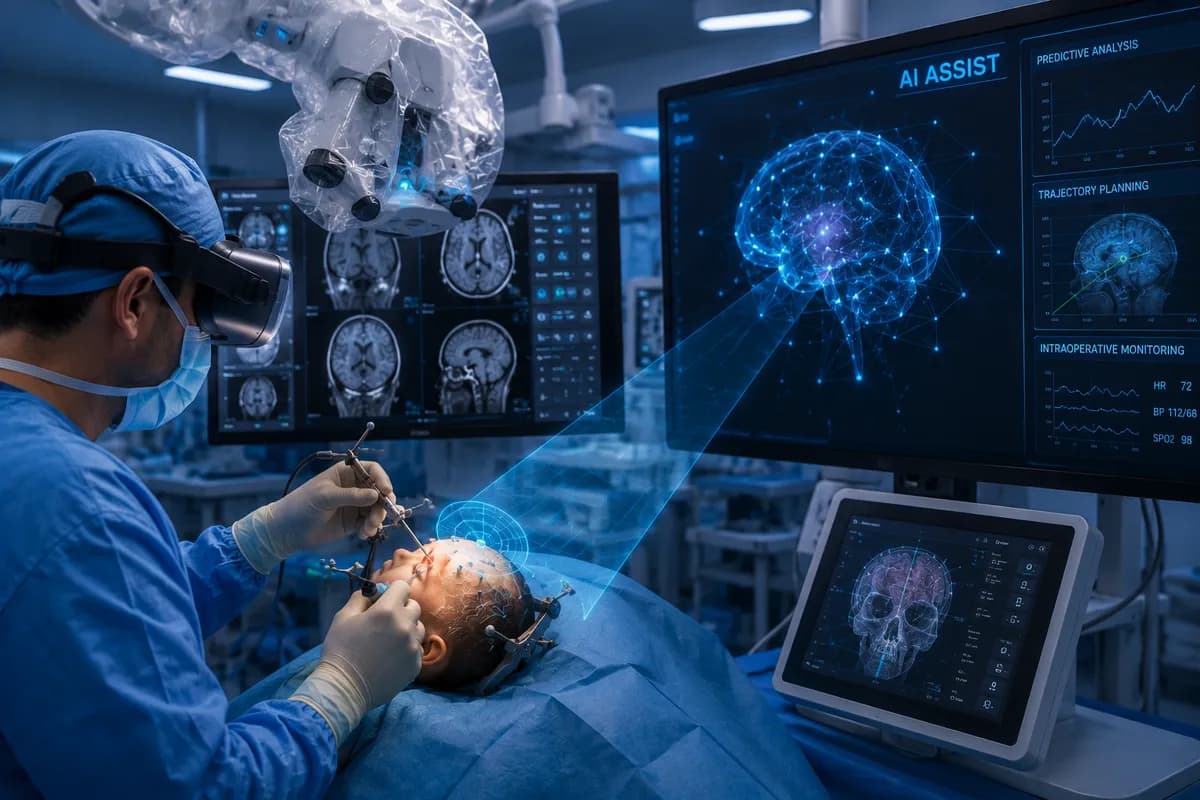
Will Pediatric Neurosurgery Be Performed with AI in the Future
This article explores the role of artificial intelligence in the future of pediatric neurosurgery. With the help of AI, surgeons can make more accurate diagnoses, optimize surgical planning, and predict better outcomes for patients. The article also examines the innovations and challenges in this field and discusses how this technology is improving medical and surgical care for children.